Tüm Kategoriler
TOPTAN BEBEK VE NİKAH Şekeri SARF Malzemeleri
Mevlüt
Kar küresi (Sulu Küre)
Sünnet
Hediyelik Ürünler
Lohusa, Hamile Ürünleri
Umre & Hac Hediyelikleri
Doğum Günü
Körüklü Karton Poşet İpli Çantalar / İpli Kağıt Torbalar
Pasta Malzemeleri
Bride / Bekarlığa Veda Parti Malzemeleri
Diğer Ürünler
Lazer Kesim Modeller
Magnet Açacak
Metal Ürünler
Şehirler Arası Siparişler
Süslü Hamile ve Bebek Ürünleri
Tasarımcılarımız
Bebek
1 yaş / 2 yaş doğum günü
Lazer Kesim Ahşap, Pleksi Aynalar
Bebek Şeker Sepetleri
Cam ürünler
Kapı Süsleri (hastane-oda)
Kese - Kutu - Külah
Açacak,Anahtarlık,Notluk
Ahşap-Decota ürünler
Bebek Anı Defteri
Bebek Biblo Ürünler
Bebek Diş Buğdayı
Bebek Şekeri Objeler
Bebek Takı Yastıkları
Çerçeve Ürünler
Çubuklu Ürünler
İsim etiketi sticker
Keçe & Keten& Kumaş Ürünler
Metal Bebek Şekerleri
polyester Ürünler
Sabun ve Sabun Malzemeleri
Uv Baskılı Ürünler
Parti
Balonlar
Tabak,Bardak
Çatal,Bıçak,Kaşık,Peçete
Doğum Günü Mum modelleri
Masa Örtüsü Masa süsleri
Parti Aksesuarları
Parti Kürdanları
Parti Süs Malzemeleri
Nikah
Açacak, Anahtarlık, Notluk Ürünler
Ahşap-Decota Ürünler
Biblo Ürünler
Cam,Şişe ve Kristal Ürünler
Çerçeveli Ürünler
Diğer Nikah Ürünleri
Kese-Kutu-Külah Ürünler
Metal Ürünler
Mum ve mumluk
Pleksi Ayna / Lazer Kesim Ahşap Ürünler
Uv Baskılı Ürünler
Yüzük tepsisi / Damat kahvesi
Söz-Nişan
Bride / Bekarlığa Veda Parti Malzemeleri
Masa Üstü Süsleme Malzemeleri (Söz-nişan-doğum günü Masası)
Ahşap ürünler
Kese modelleri
Kutu , Külah
Metal Ürünler
Mum Kutu, modelleri
Pleksi Ayna, Lazer kesim, Yükselticiler
Şişe , Cam Ürünler
Söz, Nişan Masa süsleme malzemeleri
Yüzük tepsisi / Damat kahvesi
Kına Gecesi
Süslü
Hazır Bebek Şekerleri
Hazır kına malzemeleri
Hazır Mevlüt şekerleri
Hazır Sünnet şekerleri
Hazır süslenmiş Nikah şekerleri
Özel Günler
Ramazan Ayı Süsleri
Anneler Günü Hediyeleri
Asker Hediyeleri
Cadılar Bayramı Süsleri
Mezuniyet Hediyeleri
Milli Bayramlar Süsleri
Öğretmenler Günü Hediyeleri
Sevgililer günü Süs ve Hediyeleri
SEVGİLİLER günü Süs ve Hediyeleri
Yılbaşı süsleri
BEBEK ÇELENK - SEPET - YASTIK
Beni Hatırla
Şifremi Unuttum
Giriş Yap
Hemen Üye Ol
ile Bağlan
ile Bağlan
ÇOK SATANLAR
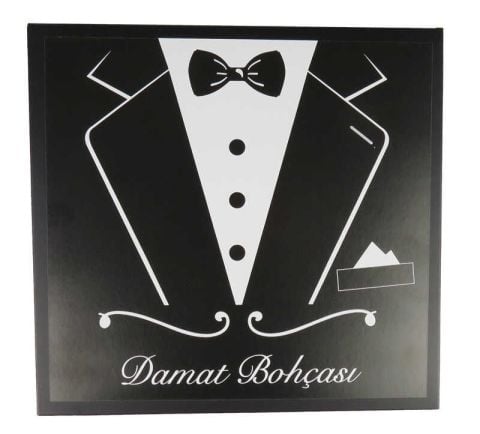
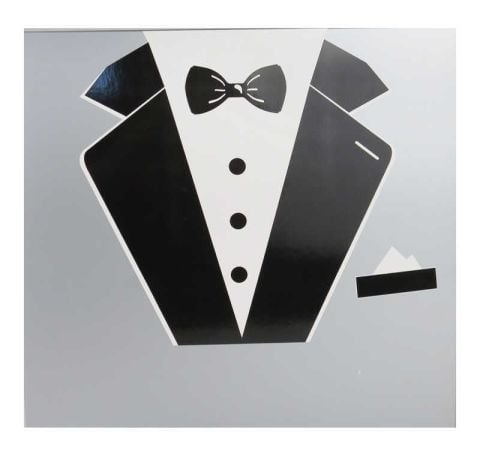
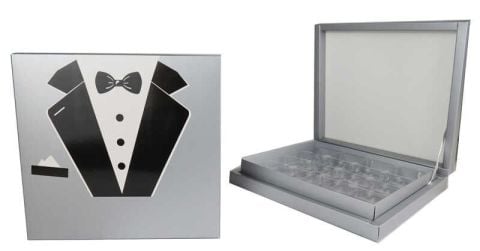
DAMAT FİGÜRLÜ SİYAH ÇİKOLATA KUTUSU 500 GRAMLIK
50,54 TL
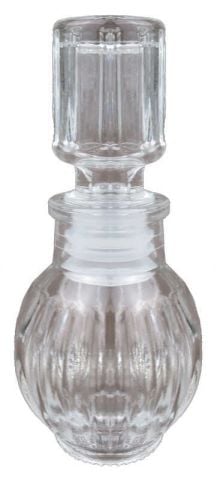
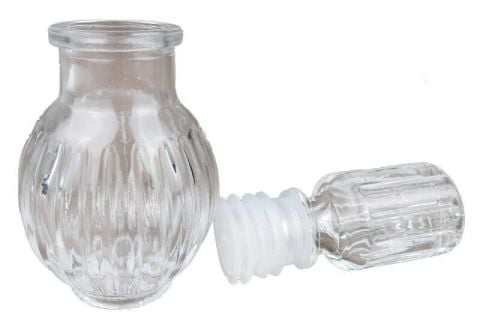
ŞİŞE TOMBUL ÇİZGİLİ CAM KAPAKLI 50 CC KL:120
22,36 TL
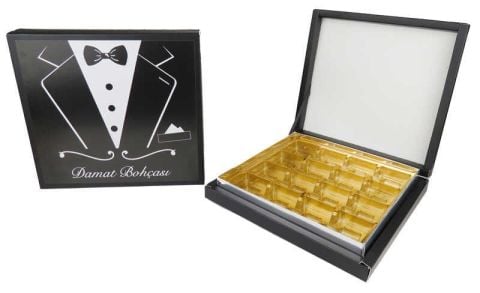
ÇİKOLATA KUTUSU 500 GRAMLIK DAMAT FİGÜRLÜ
50,54 TL
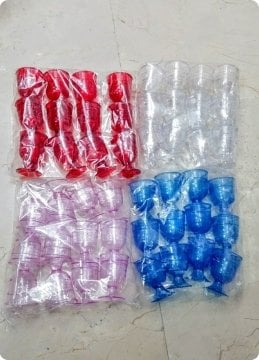
12 Li Mika Renkli Şerbet / Lohusa Mini Bardak/Bardağı
67,81 TL
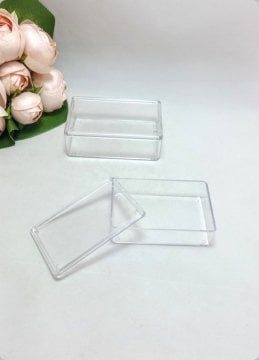
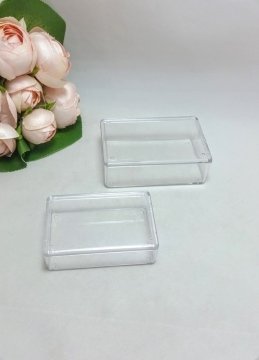
12 li Mika Pleksi Dikdörtgen Küçük Kutu 7,5x5x2 Cm
152,85 TL
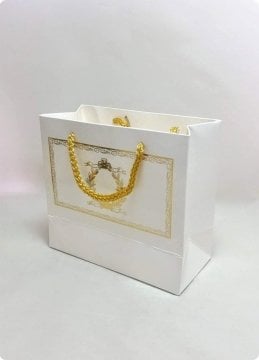
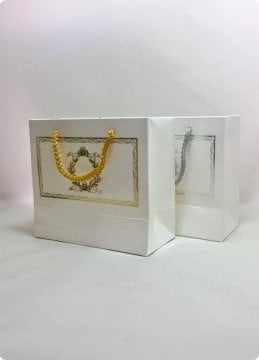
10 Lu (18x16 Cm) Körüklü,Baskılı, İpli, Karton Çanta, Poşet
159,73 TL
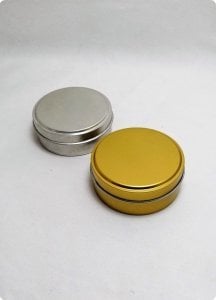
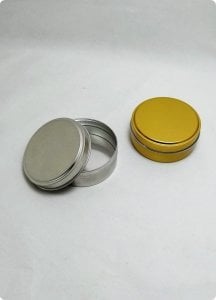
12 Li 7,5x3 Cm Teneke Kutu
225,97 TL
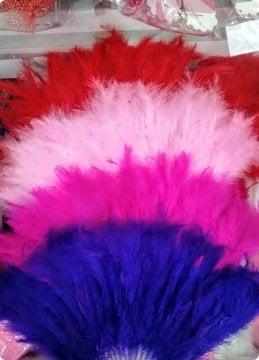
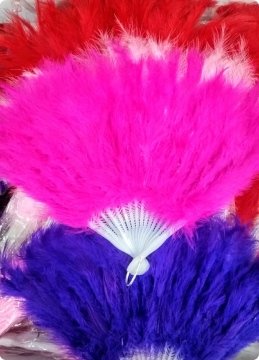
12 Li Tüylü Kına Yelpaze
724,98 TL
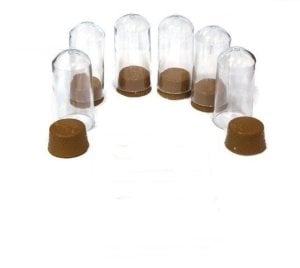
Ters Fanus(PVC)
4,80 TL
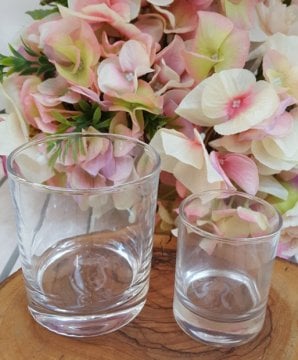
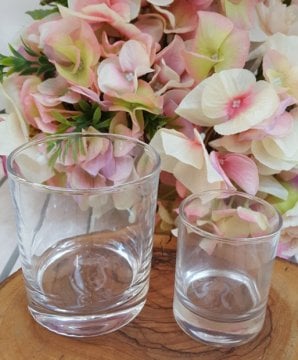
Büyük ve Küçük Boy ( Boş ) Bardak Cam Mumluk 1 Paket
14,52 TL
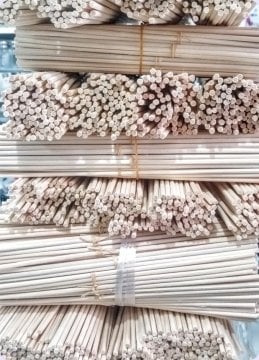
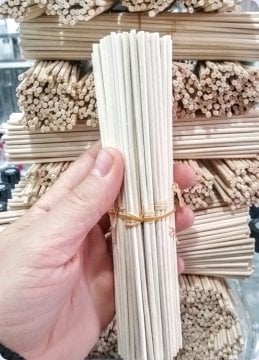
Bambu Koku Çubuk (Koku Şişesi çubığı)
161,35 TL
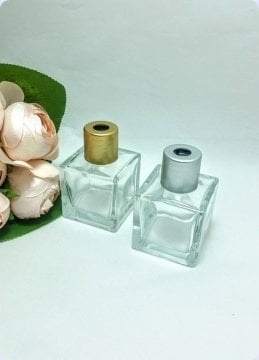
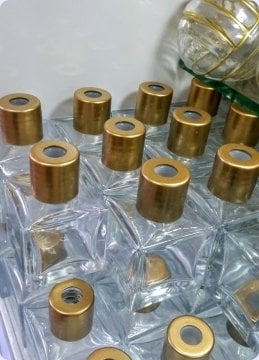
100 Lü Bambu Kare Oda Kokusu Şişesi 50 cc / Pvc Kapak
1.606,52 TL
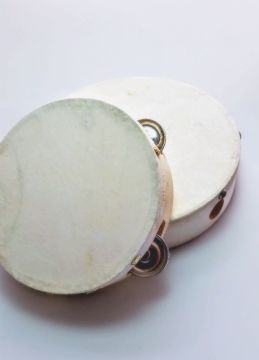
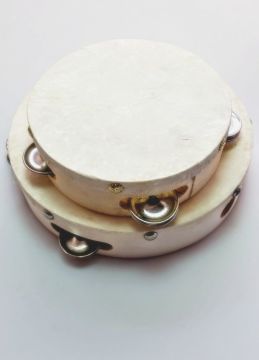
Ahşap Kına Tefi (Def)
81,57 TL
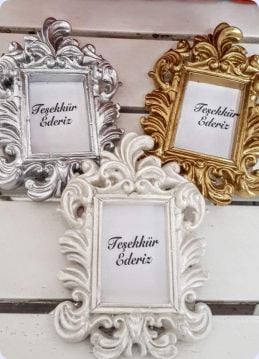
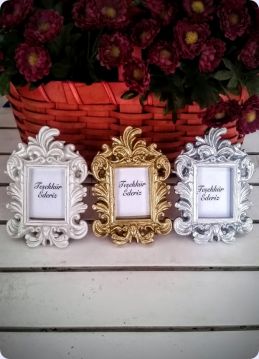
Oymalı Polyester Çerçeve (Kampanyalı)
141,91 TL
50 Li Melek süs Obje
171,90 TL
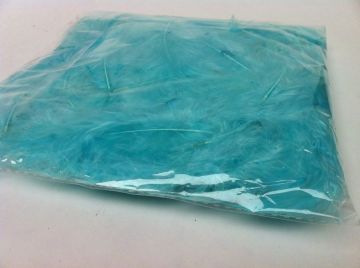
100'lü Tek Tüy
57,23 TL
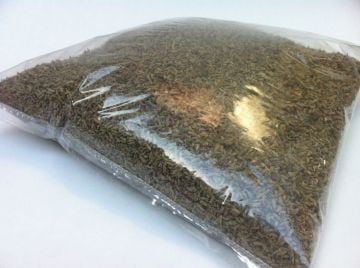
Lavanta 1 kg/Birim fiyat
186,42 TL
Şeffaf Mika Boş Külah malzemesi (Bebek Şekeri Mevlüt Kuruyemişlik Tesbihlik İçin)
84,60 TL
Bebek Şekeri Noktalı / Aynalı Mevlüt tesbih
165,00 TL
TÜKENDİ
50 Adet Uçaklı lokumluk kutusu
49,50 TL
VİTRİNDEKİLER
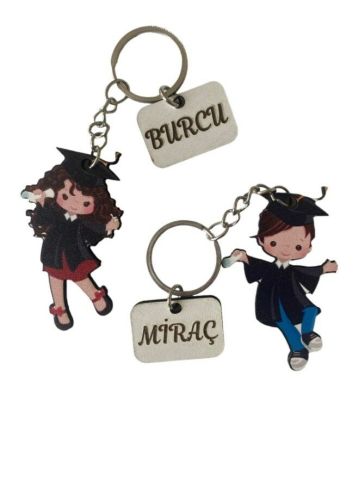
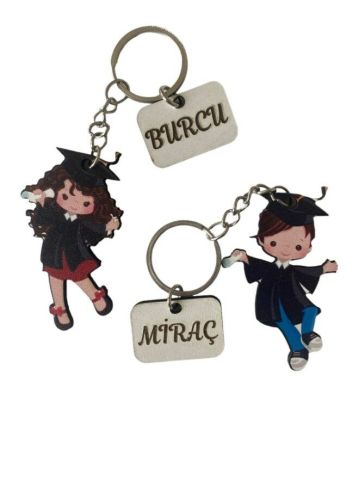
Kişiye Özel Hediyelik Ahşap Mezuniyet Anahtarlık
16,80 TL
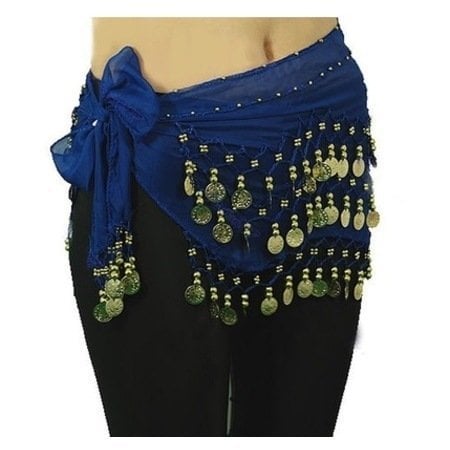
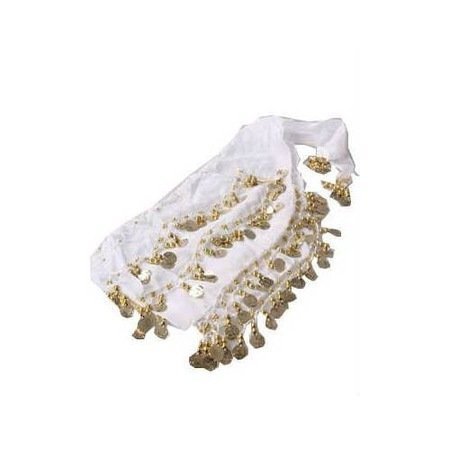
organze shakira kemeri
82,50 TL
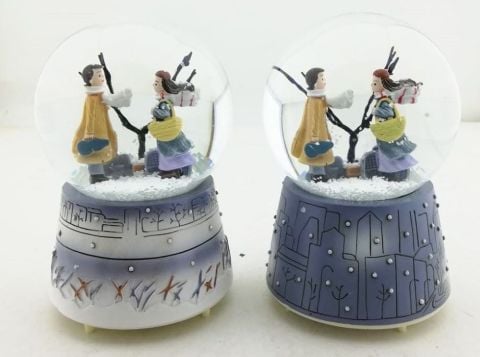
Kış Masalı Kar Küresi Orta Boy
191,16 TL
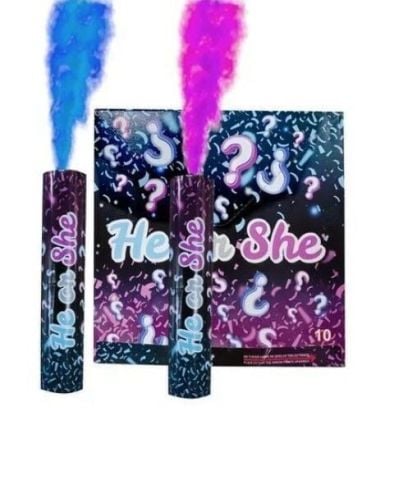
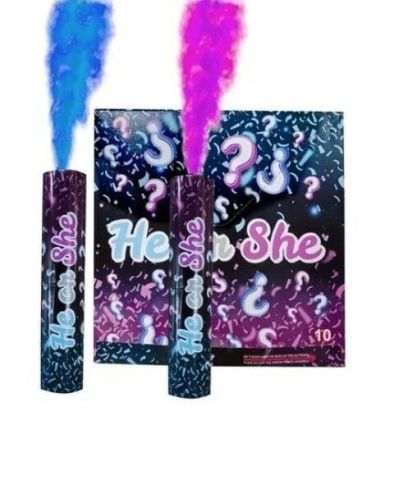
Cinsiyet Belirleme Partisi Sis Bombası
49,50 TL
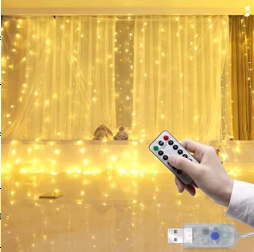
Tel Perde Led 3*3m 300 Led Gün Işığı
318,60 TL
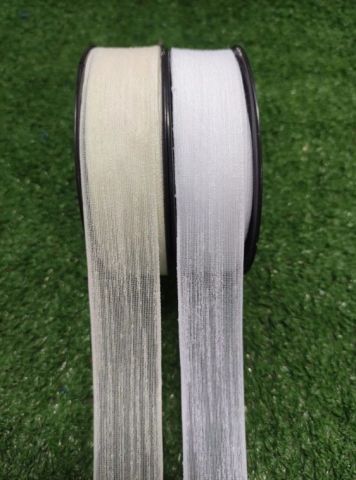
Nopel Kurdele (20 Mt)
88,00 TL
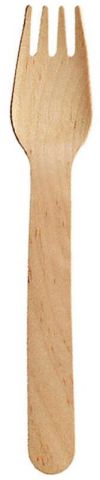
ÇATAL NATUREL AHŞAP BAMBUDAN PK:8 KL:336
19,44 TL
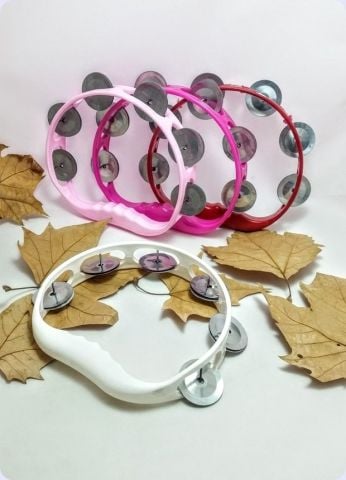
Yarım Daire Pvc Tef (kına gecesi, doğum günü pvc tef)
11,90 TL
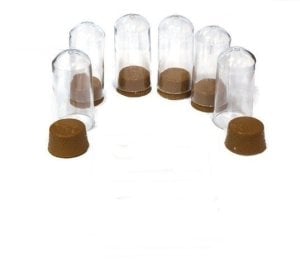
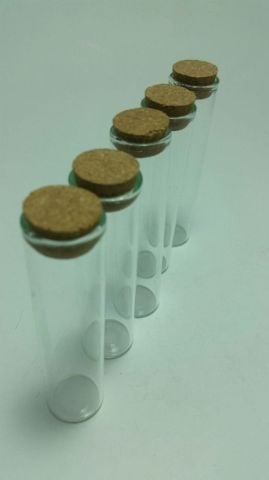
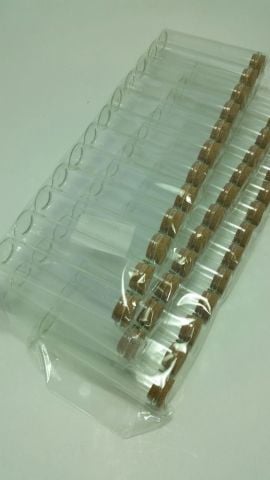
12 Cm Mantar Tıpalı Deney Tüp şişe
111,64 TL
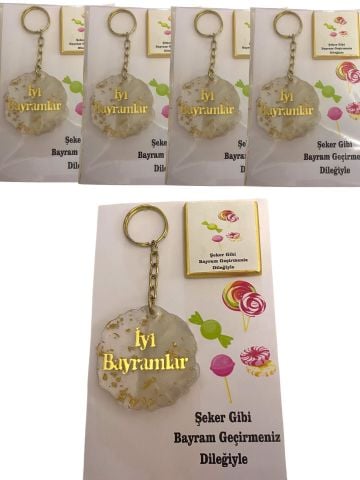
20 Li Anahtarlıklı Bayram Hediyeliği
561,60 TL
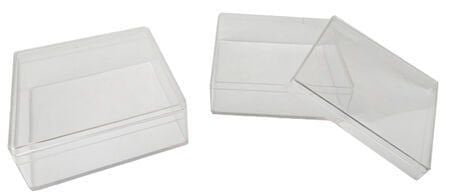
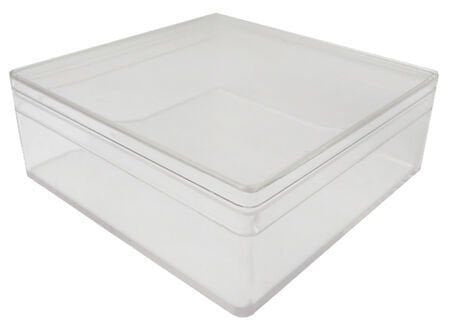
12 Adet 8x8x3 cm Kapaklı Mika Kutu
81,00 TL
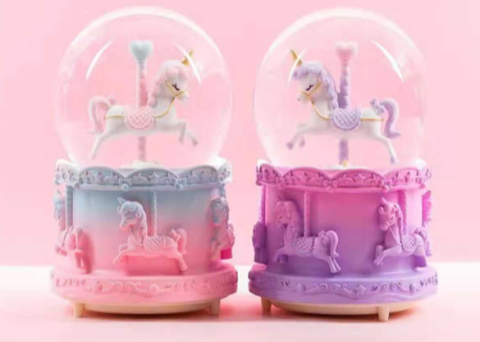
Atlı Karınca Kar Küresi Orta Boy
191,16 TL
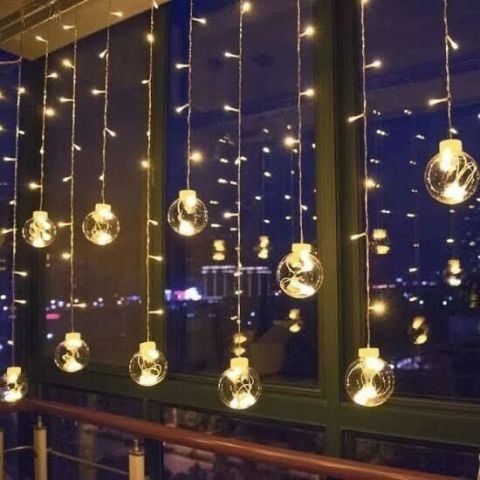
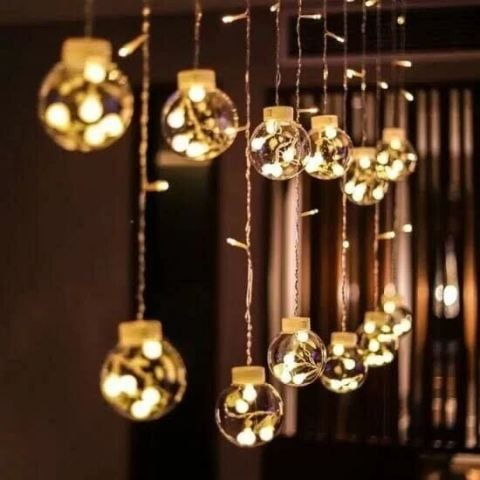
Top Şeklinde Sarkıt Işık
450,00 TL
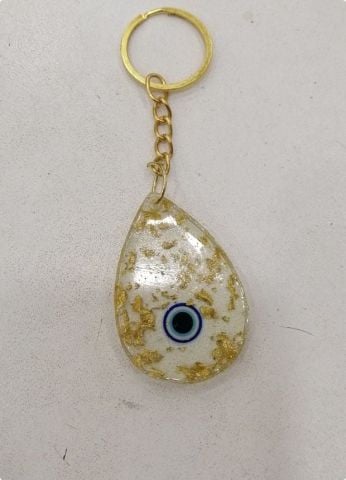
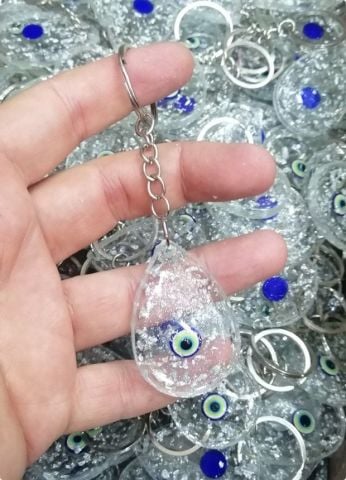
Nazar Boncuklu Epoksi Anahtarlık
7,25 TL
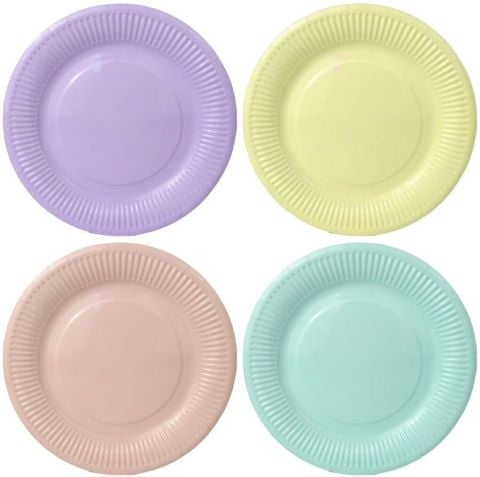
8 Lİ MAKARON KARTON TABAK 23 CM
30,33 TL
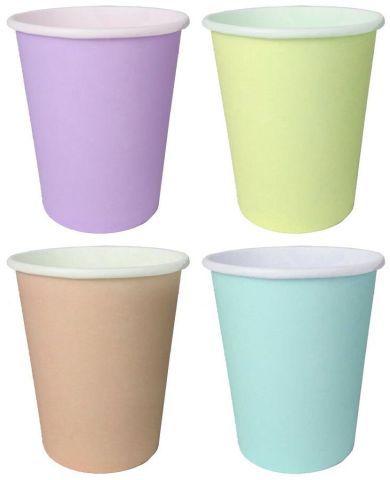
8 Lİ MAKARON KARTON BARDAK 8 OZ
25,27 TL
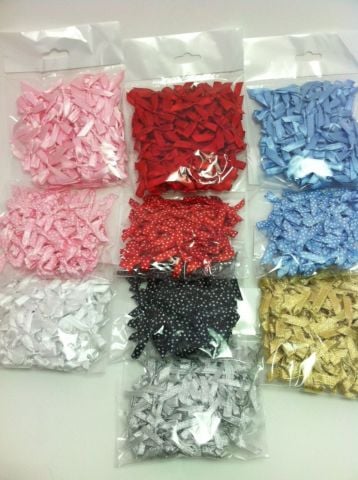
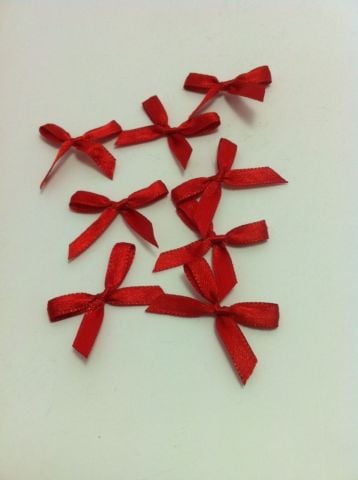
Minik Fiyonk süsler (tüm şekerlerinizde kullanabileceğiniz)
52,53 TL
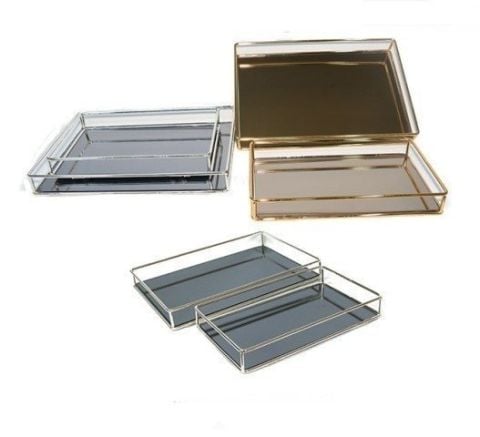
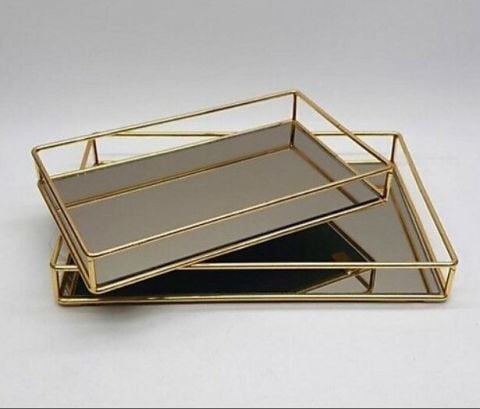
2 li Dikdörtgen Şirin Tepsi seti
238,80 TL
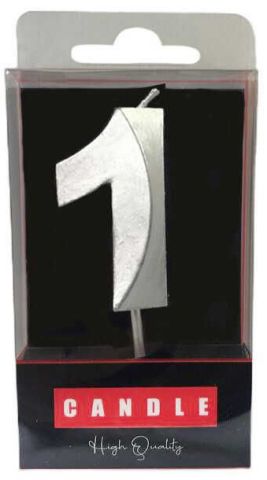
KRİSTAL DESENLİ MUM 1 GÜMÜŞ
15,55 TL
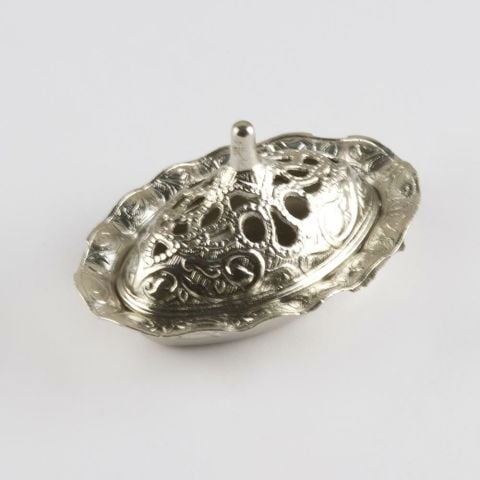
20 Li Üzeri Delikli Küçük Metal Lokumluk Oval (7x5 cm)
350,77 TL
IdeaSoft
®
|
Akıllı E-Ticaret paketleri
ile hazırlanmıştır.